UNESCO - Kalaripayattu: Martial Arts in Action for a Sustainable World
UNESCO - Kalaripayattu: Martial Arts in Action for a Sustainable World
Executive Summary
Kalaripayattu, Kerala’s 3,000-year-old martial art and UNESCO Intangible Cultural Heritage since 2010, fuses combat, Ayurveda, and philosophy for holistic balance. The Martial Arts in Action for a Sustainable World initiative revitalises it via digital advocacy, led by filmmaker Haider Khan—honored by UNESCO’s ICM Korea in 2024. Partnering with actor Vidyut Jammwal, Khan’s team shot immersive films in Kerala’s landscapes, linking Kalari’s eco-harmony to global sustainability. This project preserves heritage, empowers communities, and inspires climate action through low-impact storytelling.
Background: Kalaripayattu’s UNESCO Roots:
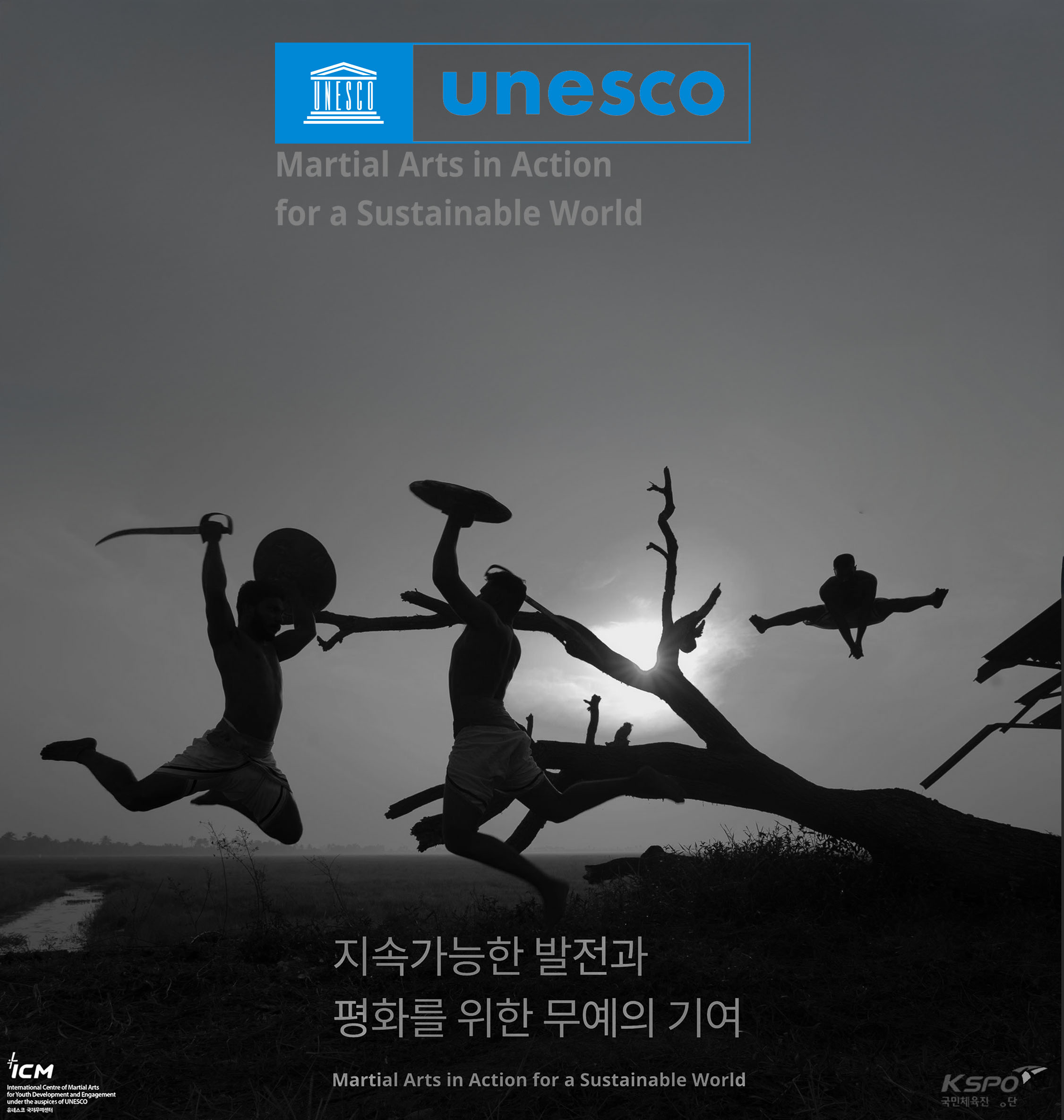
Originating in Kerala, Kalaripayattu (“mother of martial arts”) trains warriors in fluid strikes, grapples, and herbal therapies amid nature-inspired kalari grounds. UNESCO’s 2010 inscription highlights its promotion of social cohesion, gender equity, and ecological ties—using natural tools like wooden weapons. Facing threats from urbanization, the 2023 UNESCO ICM project spotlights martial arts for sustainability, featuring exhibitions in Busan, Korea, to engage youth in cultural and environmental preservation.
Haider Khan: Honored Visionary
Mumbai-based Haider Khan, known for award-winning docs like Rohingya, turned to Kalari in 2017 to capture India’s indigenous resilience. His short films—blending high-speed cinematography with ethnographic depth—earned an 2024 Honourable Mention from UNESCO ICM Korea, with works now in permanent exhibition. Khan’s team prioritised sustainability: solar gear, local crews, and zero-waste sets, echoing Kalari’s earth-centric ethos.
Collaboration with Vidyut Jammwal:
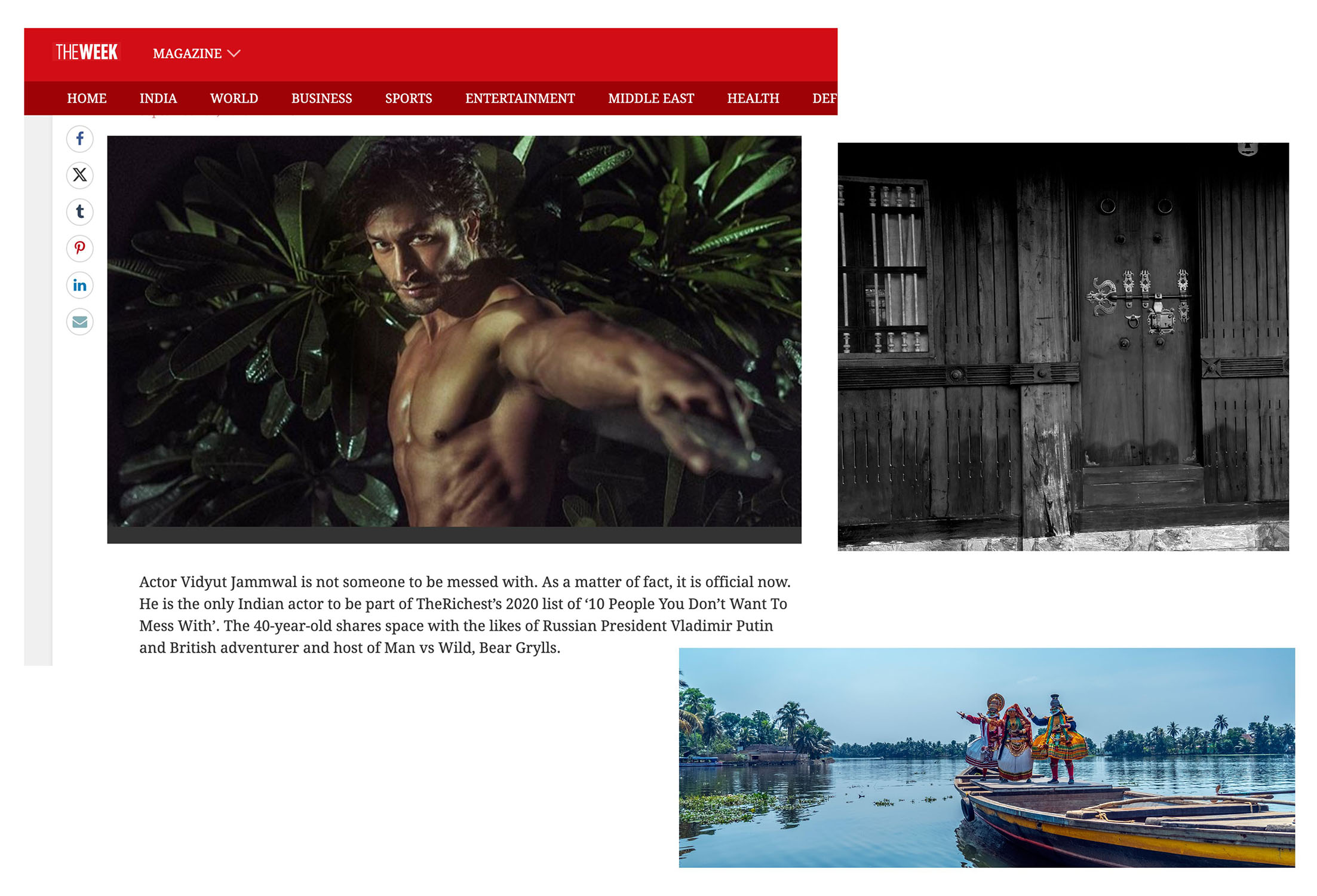
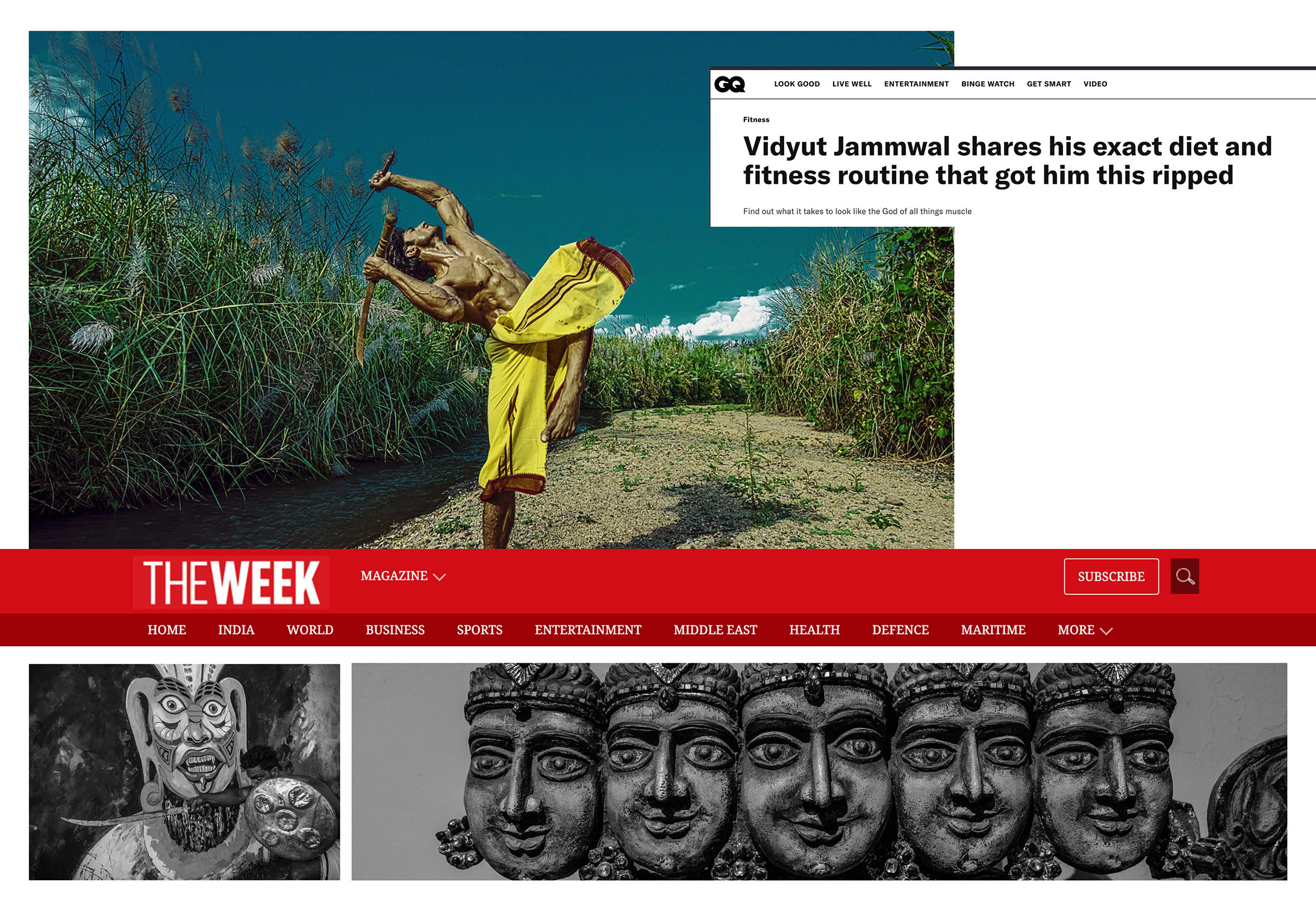
Bollywood’s action icon Vidyut Jammwal, a lifelong Kalari practitioner, amplifies the project. Their 2018 short Balance in Motion—Jammwal’s tiger leaps over backwaters—went viral (50M views), sparking global interest. In 2025, Khan filmed a 15-minute doc in Thrissur academies, using 8K slow-motion synced to nature sounds. Jammwal’s narration ties Kalari stances to equilibrium: “Balance human ambition with earth’s rhythms.” The shoot empowered 20 locals, including women masters, and funded eco-restorations.
Challenges and Innovations:
Capturing Kalari’s speed challenged gear durability and cultural respect; solutions included gimbals and AI editing. To combat digital overload, AR apps gamify poses for conservation donations. Shoots cut carbon by 40% via farm-sourced, plastic-free ops.
Impact: Preservation in Motion:
Post-Korea exhibition, Kalari workshop inquiries rose 300% (ICM data), with Indian enrollments up 25%. Films screened at Busan and Mumbai festivals, forging Earth.Org ties. Economically, it supported 50 artisan families via fair-trade sales. Culturally, it counters modern inertia, proving ancient arts foster eco-vitality.
Conclusion: Striking for Harmony:
Khan’s UNESCO collaboration reignites Kalaripayattu as a sustainable manifesto—each kick a call to conserve. “In fluid motion lies our future,” Khan says. This initiative safeguards heritage while igniting global action.For more, visit www.haiderkhanfilms.com.